Podcast: Play in new window
Subscribe: Apple Podcasts | RSS | More

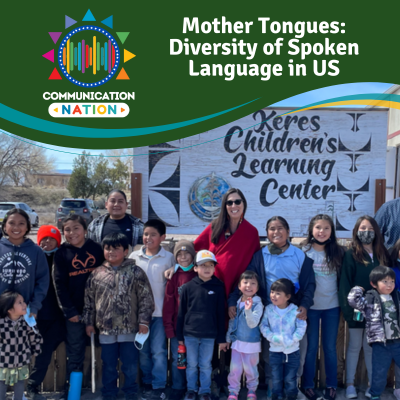
Communication Nation Episode 2: Mother Tongues focuses on the incredible diversity of language around us, from appreciation of the way names sound, to the saving of endangered indigenous languages. We meet author Joanna Ho, and we take a visit to Keres Children’s Learning Center in Cochiti Pueblo, New Mexico to hear the ancient Keres language.
Click here for the full set of educator tools and activities on the Communication Nation Series page
This is the second episode of our 4 part series, Communication Nation. Mother Tongues refers to the very first languages we spoke. For some of us, there might be more than one language. We are going to explore the importance of our Mother Tongue, and how it helps us understand ourselves, and our cultures better.

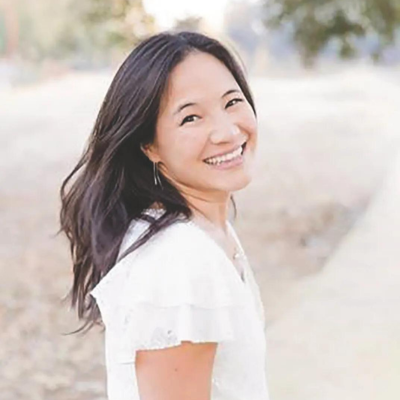
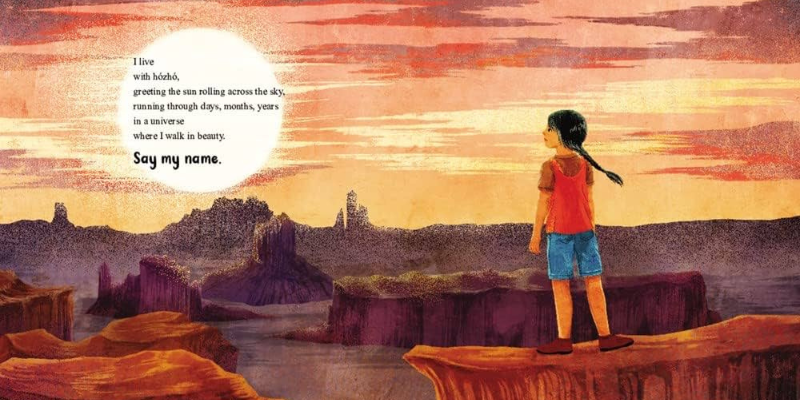
Our first guest is bestselling author, Joanna Ho whose latest book for children describes how six different children with names that are difficult for English speakers to say, explain the meaning and importance of each of their names.
In a conversation with our Kids Crew, Joanna explains how she learned to love her own name, which means something very different in English than in Chinese. We learn that language diversity is an important part of the fabric of the American culture.
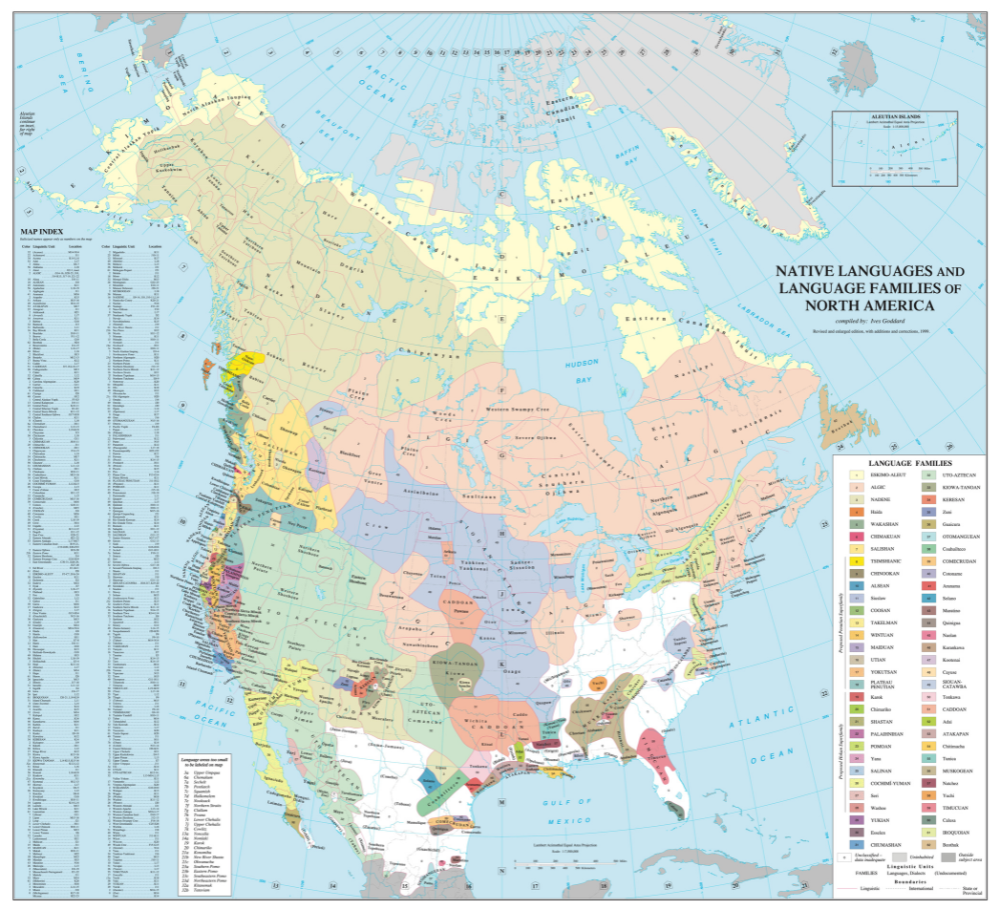
Then we head to Cochiti Pueblo, New Mexico, with a population of 404 people. We are going to the Keres Children’s Learning Center where the Cochiti dialect of the ancient Pueblo language Keres is being taught to children from preschool through high school. Keres is an oral language, it’s not written.
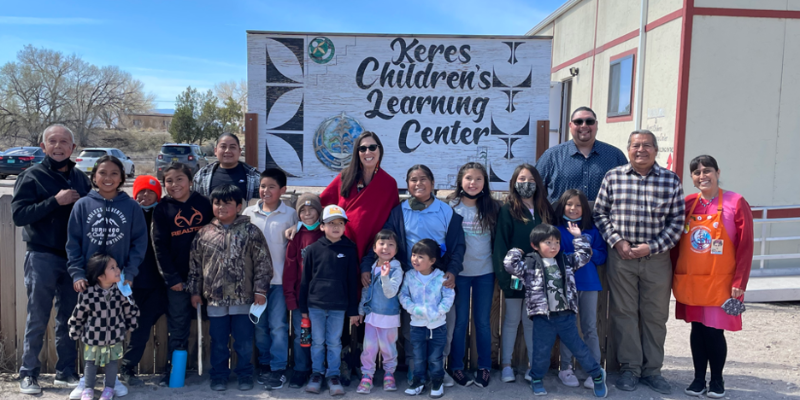
Dr. Curtis Chavez is the school director, and he explains how they determined that they needed to find their own way to resurrect the Keres language, so they started the Indigenous Montessori Network to teach other Native Communities how to bring back their languages too.
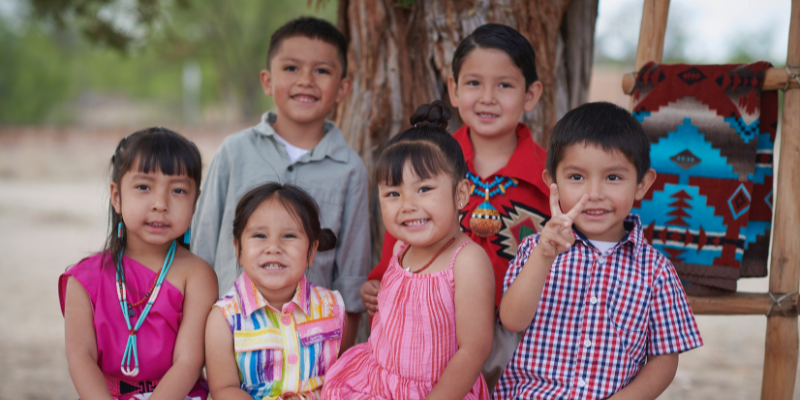
We also visit Mr. Bernard Suina’s middle school class where the children’s are learning how to make moccassins. The school uses immersion as a way to teach the language, meaning only Keres may be spoken inside the school, with some limited exceptions for teaching upper level science and math classes.
This show was written and produced by Executive Producer, Katie Stone, with production help from Christina Stella, Eli Henley, Sarah Gabrielli, McKenzie Graunke, and Thaniel Lentz. Chad Scheer provided live engineering at Outpost Performance Space. Amber Shiel writes our learning guides with help on these from Lorraine Archibald and Amber Arnett.
© 2026 The Children’s Hour Inc, All Rights Reserved
Please note: not all songs heard on The Children’s Hour can be found in Spotify.
Playlist: Communication Nation 2: Mother Tongues
| title | artist | album |
|---|---|---|
| I Am Steve | Hey Steve | Steve by Steve - EP |
| All Accents Are Art | Vivian Fang Liu | Accents of Love |
| What's Your Name | Mike Soloway | Hungry for Manners - Songs of Kindness, Politeness and Love |
| Allow Me To Introduce Myself | Charles R. Smith Jr. | Hip Hop Speaks to Children |
| My Name | Falu | Falu's Bazaar |
| Remember Your Name | Ayana Gregory | I Dream A World |
| Pueblo Corn Dance in Keres and Towa | Shikyame Lewis | single |
| This Is Ohlone Land (Introduction) [feat. Kanyon Coyote Woman Sayers-Roods] | Alphabet Rockers | The Love |
| Grandma's Words | Talibah | Navajo Songs for Children |
| All Spirits Sing | Joanne Shenandoah | All Spirits Sing |
| The Language Of Lullabies | Sam Tsui & Casey Breves | Why Do We Sing? (The Official Soundtrack) |
| Salaam | The Mosaic Project, featuring Brett Dennen | Children's Songs for Peace and a Better World (feat. Brett Dennen) |
| Everybody Laughs in the Same Language | Bozo the Clown | Get Down With the Clown |
Thank you Sponsors
This program is made possible by funding from the National Endowment for the Humanities and the United We Stand Connecting Through Culture Initiative, and by the New Mexico Humanities Council. Any views, findings, conclusions, or recommendations expressed in this program do not necessarily represent those of the National Endowment for the Humanities or the New Mexico Humanities Council.