Podcast: Play in new window
Subscribe: RSS


Our bodies speak. Communication Nation Episode 3: Other Voices, Other Sounds explores nonverbal communication, sign language, deaf culture, and assistive technology. Listen with your eyes, this time on The Children’s Hour. This episode comes with a learning guide and activities. Learn with us!
Click here for the full set of educator tools and activities on the Communication Nation Series page
This is the third episode of our 4 part series, Communication Nation. Other Voices, Other Sounds celebrates the diversity of unspoken communications. Every day we are communicating with our bodies, whether we notice or not. Other people are communicating with us using their bodies, and it’s up to all of us to pay attention in order to fully understand a situation.
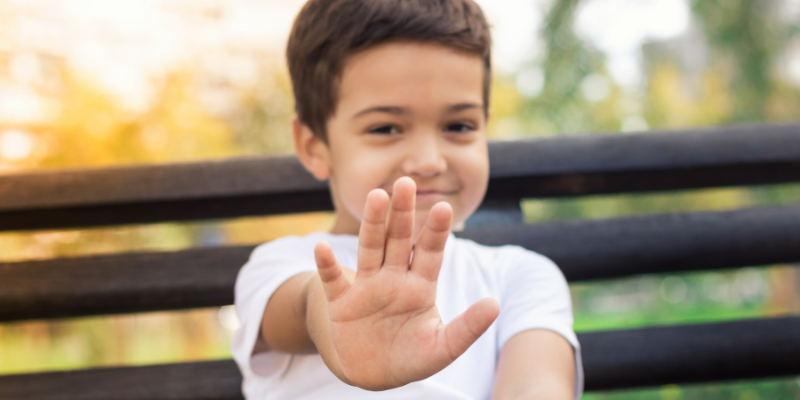
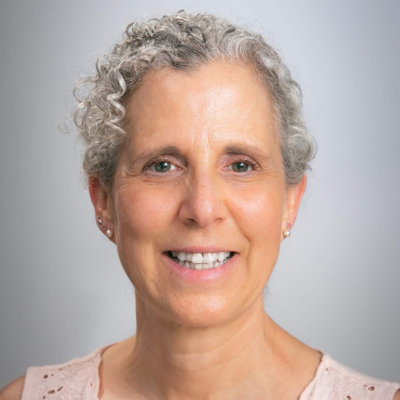
Our first guest is Marci Laurel, a Speech Language Pathologist from the University of New Mexico’s Center for Development and Disability. She teaches nonverbal communication to neurodivergent kids.
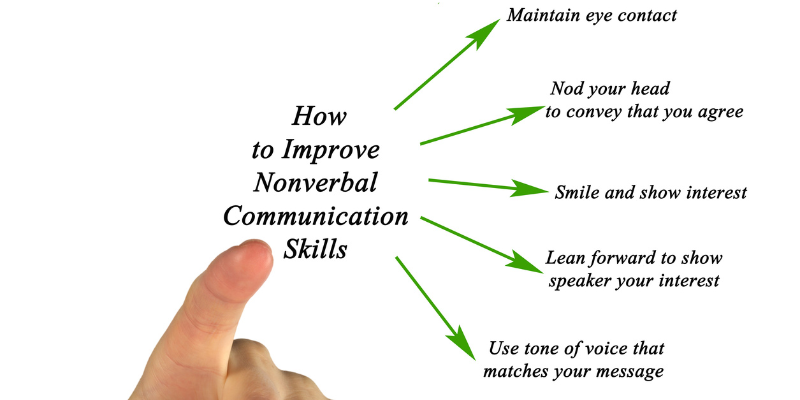
Marci explains that we are using our bodies to communicate regularly, though our facial expressions, posture, and gestures. That’s how we can tell what our parents are saying to us with just one look. We learn why kids might need extra help in learning nonverbal communication, and how Marci teaches those skills.
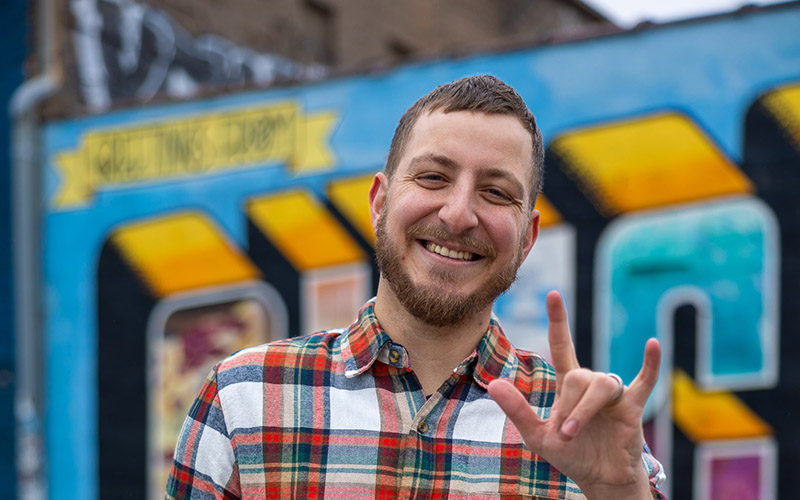
Some people communicate only with their hands and faces, through gestures. We meet Brad Klein, a comedian who is a CODA: Child of Deaf Adults, and his deaf parents Candy and Marty. The Klein family speaks sign language as their primary home language, and we learn from Candy and Marty how they communicate with the hearing world. Marty uses a smart phone’s voice-to-text function when he is at meetings with hearing people. Candy requests an interpreter, which is her right under the Americans with Disabilities Act (ADA).
Sign Language is for Everyone
The Klein family told us that they wish everyone knew some sign language. It would make their lives much easier, and it’s a great way to communicate when you want to speak without using your voice. You can learn sign language online for free!
Check out these videos from ASL Kids.
Our final guest is Tibbany Ho, the Assistive Technology Coordinator for Rio Rancho Public Schools in Rio Rancho, New Mexico. She provides technology to assist students with communication. Sometimes these are communication boards using pictures. Other times, students need more help and have devices that speak for them. Many of us use the voice-to-text feature on our computers and smart phones to type quickly. Even this is a useful tool for people who need extra help with communication. In Rio Rancho Public Schools, assistive technology for communication is in every classroom and on every playground.
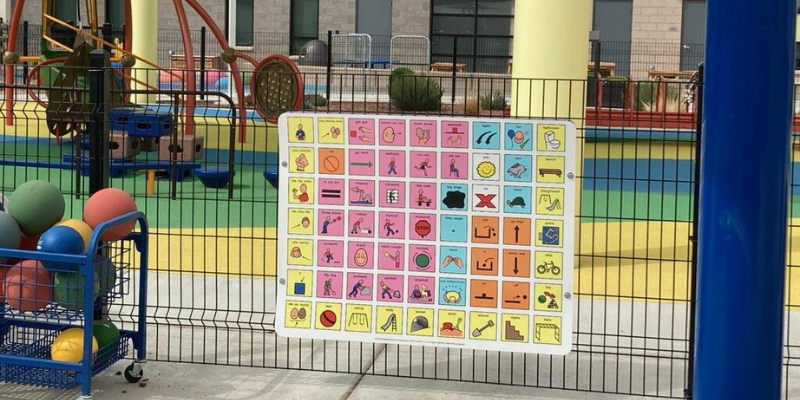
A communication board on the playground at Rio Rancho Public Schools
There are many ways we communicate without words every day, but when someone must use assistive technology, it is best to be patient to be sure you give the time needed for the person to have a chance to speak in their own way. It’s a way to be kind, fair, and understanding. Everyone has a voice, and sometimes we have to listen with our eyes to hear it.
Assistive Technology in the US Congress
Virginia Congresswoman Jennifer Wexton recently delivered a speech on the floor of Congress using an assistive technology voice, because of a health condition she has developed that has made speaking with her voice impossible.
This show was written and produced by Executive Producer, Katie Stone, with production help from Christina Stella, Eli Henley, Sarah Gabrielli, McKenzie Graunke, and Thaniel Lentz. Chad Scheer provided live engineering at Outpost Performance Space. Amber Shiel writes our learning guides with help on these from Lorraine Archibald and Amber Arnett.
The Children’s Hour radio show is distributed by Native Voice One: The Native American Radio Network.
© 2026 The Children’s Hour Inc, All Rights Reserved
Please note: not all songs heard on The Children’s Hour can be found in Spotify.
Playlist: Communication Nation 3: Other Voices, Other Sounds
| title | artist | album |
|---|---|---|
| Take a Walk In Someone Else's Shoes | Swingset Mamas | Take a Walk In Someone Else's Shoes |
| Love Me for Who I Am | Brady Rymer and the Little Band That Could | Love Me for Who I Am |
| I'm Listening (feat. Justin Roberts) | Doctor Noize | I'm Listening (feat. Justin Roberts) - Single |
| Hopeful | Maarten Schellekens | Hopeful - Single |
| Speaking in Tongues I | Sheila Chandra | Weaving My Ancestors' Voices (Real World Gold) |
| Faces Show Our Feelings | Lindsay Munroe | Frogs And Birds |
| Talking With My Body | Danny Go! | Talking With My Body (Sign Language Song) - Single |
| Hands | Aaron Nigel Smith & One World Chorus | Welcome to the Village! |
| Look Into My Eyes | Annivar Salgado, music by Janet Alikpala | single |
| Look At Me | Sara Hickman | Big Kid |
| Tell Me It All | Frances England | Blink of an Eye |
Thank you Sponsors
This program is made possible by funding from the National Endowment for the Humanities and the United We Stand Connecting Through Culture Initiative, and by the New Mexico Humanities Council. Any views, findings, conclusions, or recommendations expressed in this program do not necessarily represent those of the National Endowment for the Humanities or the New Mexico Humanities Council.